
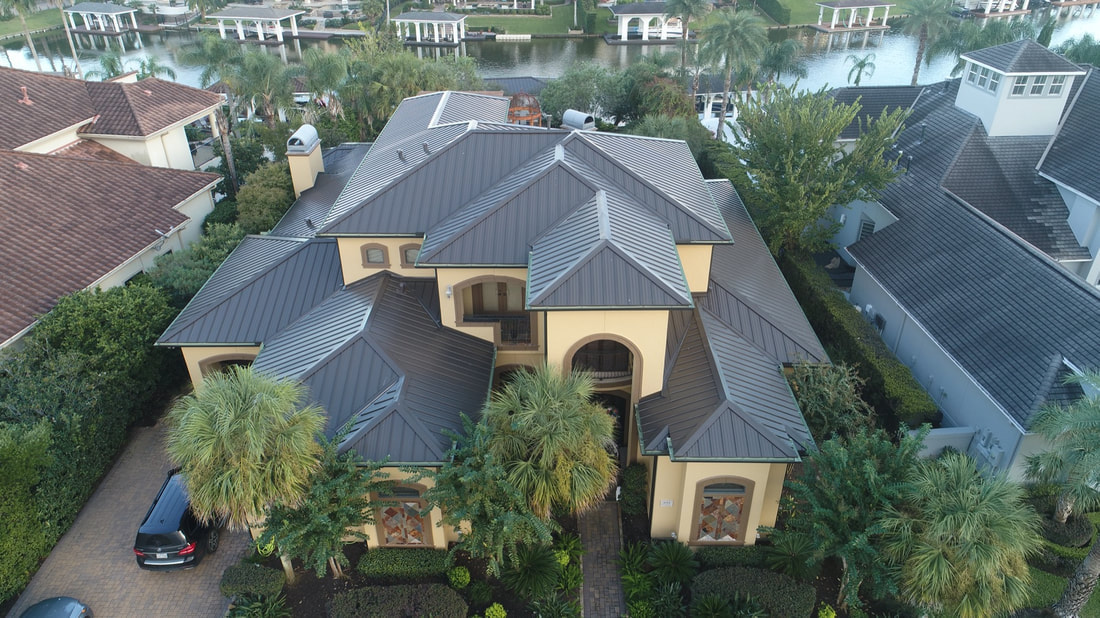
Safety-first steps for keeping drainage clear, spotting changes and arranging professional service
Start with safe observations
Many useful checks can be made from the ground or through windows. Look for debris accumulation, displaced trim, damaged gutters, unusual staining and changes around trees. After a major storm, avoid walking on the roof.
Metal surfaces can be slippery, hot and vulnerable to denting or finish damage when walked incorrectly. Use a qualified professional when an on-roof inspection is needed.
Keep drainage paths open
Leaves, pine needles and other debris can slow drainage in valleys and gutters. Water should be able to leave the roof freely. Trim overhanging branches where appropriate and maintain gutters and downspouts without scraping or damaging the finish.
Watch penetrations and transitions
Pipe penetrations, walls, chimneys, skylights, valleys and changes in roof slope are natural inspection points. Sealants and flexible components may age differently from the metal. A professional can determine whether maintenance is needed without applying incompatible materials.
Avoid unapproved cleaners and keep records
Harsh chemicals, abrasive tools and unapproved field coatings can damage finishes or affect warranty coverage. Follow manufacturer instructions for the exact product.
Store the contract, product name, color, warranty documents and photographs together. Note professional inspections or repairs. This record makes it easier to obtain compatible materials and explain the roof history later.