
Learn which design, material and installation factors shape a metal roofing estimate
Square footage is only the beginning
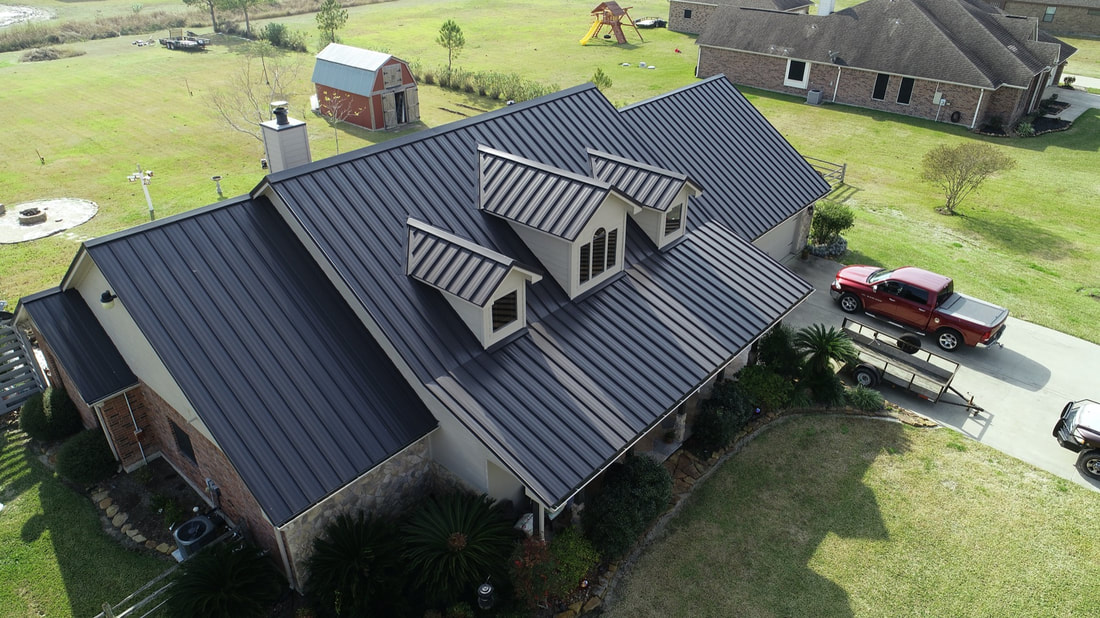
Roof area matters, but it does not describe the work required. Two homes with the same square footage can have very different costs when one has simple roof planes and the other has steep slopes, multiple valleys, dormers, chimneys and difficult access.
Accurate pricing begins with measuring the roof and understanding its geometry, existing condition and detailing requirements.
Material and profile affect product and labor
Standing seam panels, aluminum shingles, steel shakes and tile-look products use different attachment methods and accessories. Some are fabricated for the project; others use modular interlocking pieces. The base metal, coating, profile and warranty influence material cost, while roof design determines installation time.
- Metal and product family
- Panel or shingle profile
- Finish and color
- Custom trim and flashing
- Manufacturer accessory requirements
The existing roof can change the scope
A proposal should explain whether old roofing will be removed, how the deck will be inspected and how replacement decking is priced. It should address underlayment, ventilation and transitions that must be corrected before new metal is installed.
Unexpected damage is easier to manage when the agreement describes the process and unit pricing in advance.
Compare written scope, not just the bottom line
Place proposals side by side and mark what each says about tear-off, deck repair, underlayment, ventilation, flashing, trim, cleanup, product warranty and workmanship warranty. Ask questions when language is vague.
The goal is not to buy the most expensive roof. It is to understand what is included and choose the system and installer offering the strongest fit for the home.